


Striving for the 14th Five-Year Plan | Advancing into the Deep Sea, Deep Earth, and Deep Space
Release Time:
2025-10-15
During the 14th Five-Year Plan period, China has steadily moved from "understanding the deep sea" to "exploiting the deep sea," progressively advancing toward the goal of building a maritime power.
CCTV Network News: On humanity's journey to explore nature, the deep sea, deep Earth, and deep space once represented three major uncharted territories. Let’s first turn our attention to the ocean: during the 14th Five-Year Plan period, China is steadily advancing from "understanding the deep sea" toward "exploiting the deep sea," steadily moving closer to building a maritime power.
At 10,000 meters beneath the sea, the "Fendouzhe" breaks through the boundaries of human understanding.
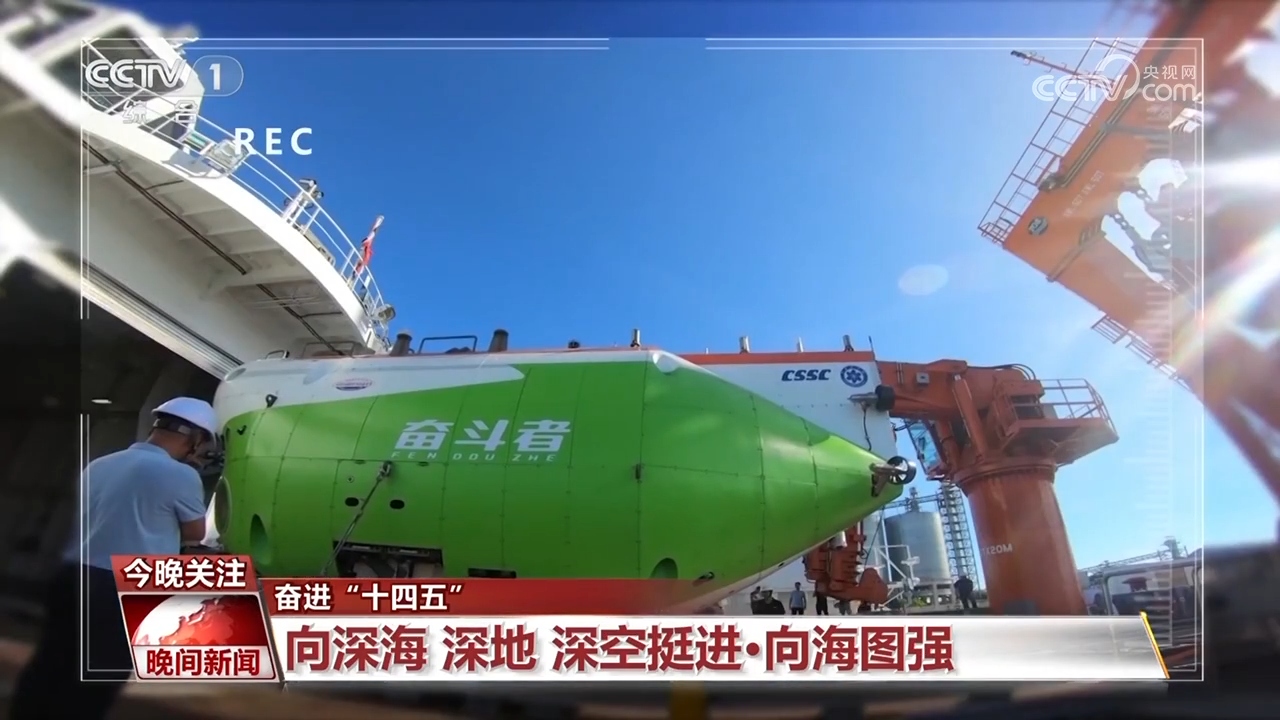
Not long ago, the manned submersible "Fendouzhe" discovered a vast "oasis of life" stretching 2,500 kilometers in a trench reaching depths of 9,533 meters in the northwest Pacific Ocean. Over the past five years, from the South China Sea Trench to the abyssal plains of the Pacific, the "Fendouzhe" has ventured with its scientific research team, leaving exploration marks across multiple critical deep-sea regions worldwide. This groundbreaking journey has laid a solid foundation for China's ongoing efforts to explore and harness the potential of the deep ocean.
Liuhua Oilfield: China's First Independently Operated Deepwater Oilfield Achieves Record Oil and Gas Production
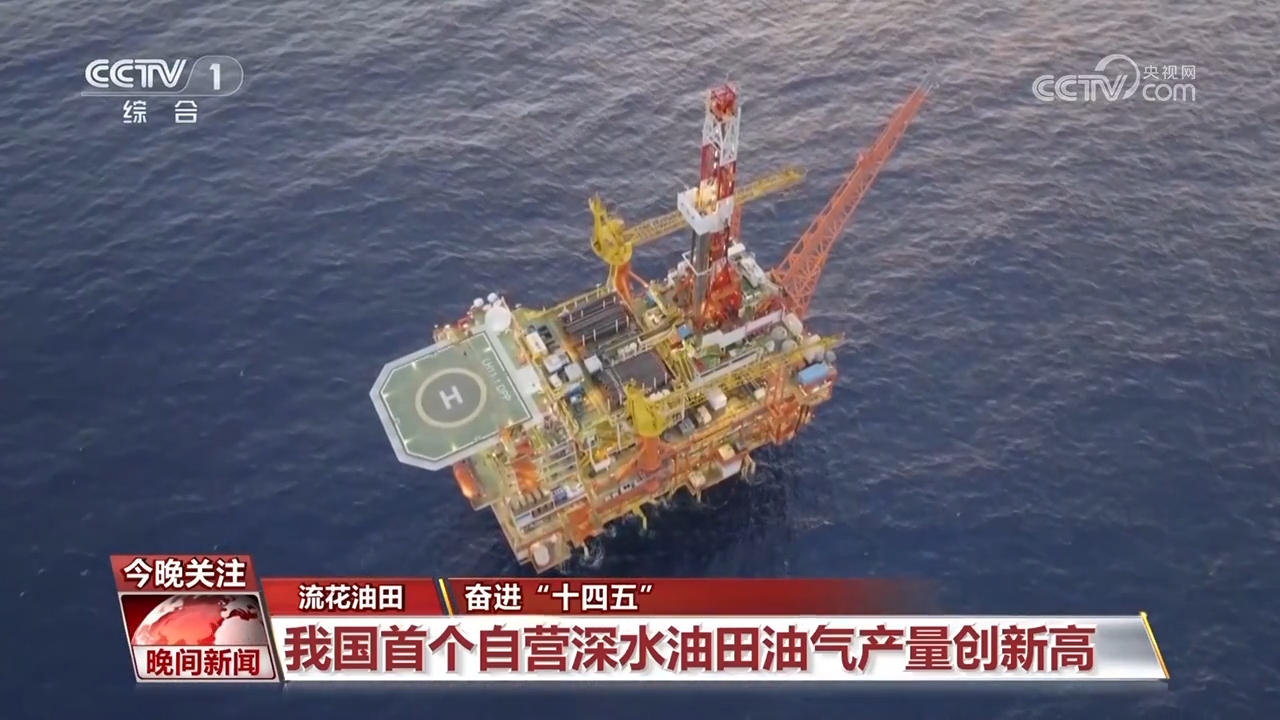
In deep-sea development, energy exploration has particularly stood out. Recently, China's first independently operated deepwater oilfield, the "Liuhua Oilfield," achieved a new record in oil and gas production.
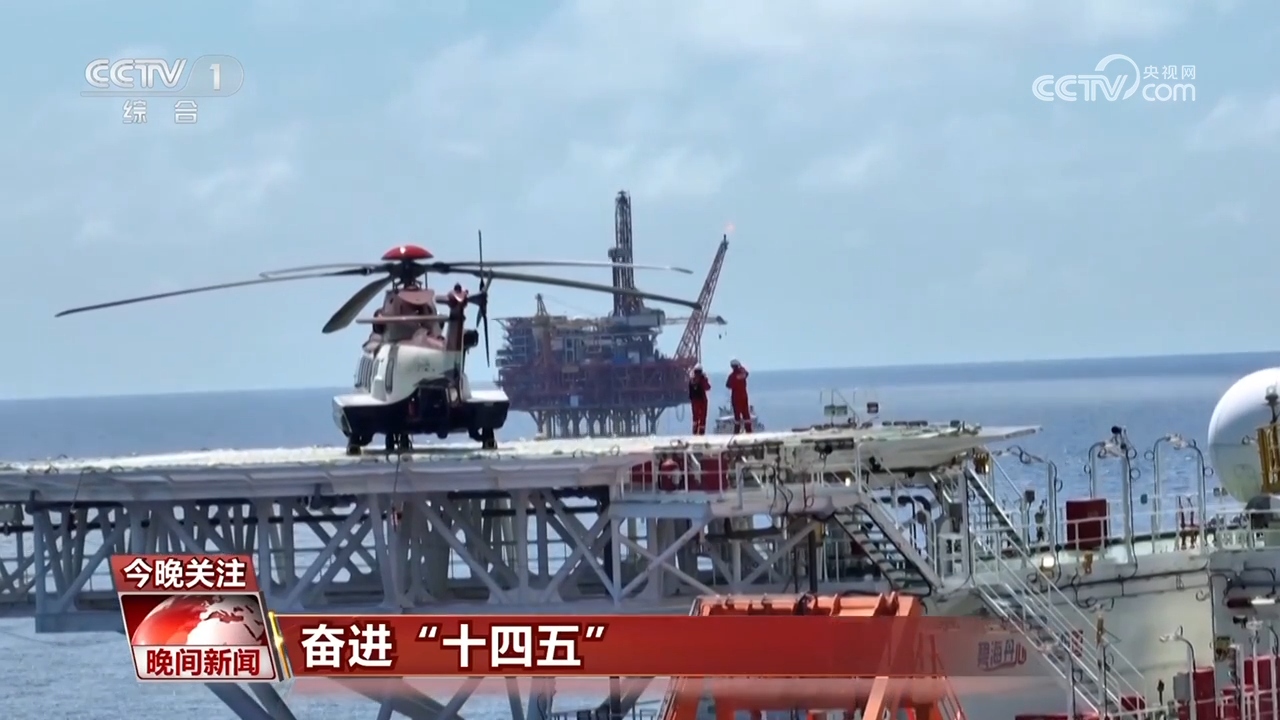
CGTN reporter He Junru: I’m currently at the Liuhua Oilfield, located 240 kilometers southeast of Shenzhen. At its peak, this field could produce as much as 13,800 tons of crude oil per day. To date, it has cumulatively contributed over 38 million tons of crude oil, accounting for more than 95% of China’s total deepwater crude oil production. You could say that this place truly lives up to its nickname as China’s "deepwater oil and gas granary."
Deep-sea oil and gas are becoming an important "supply station" for China's energy supply.
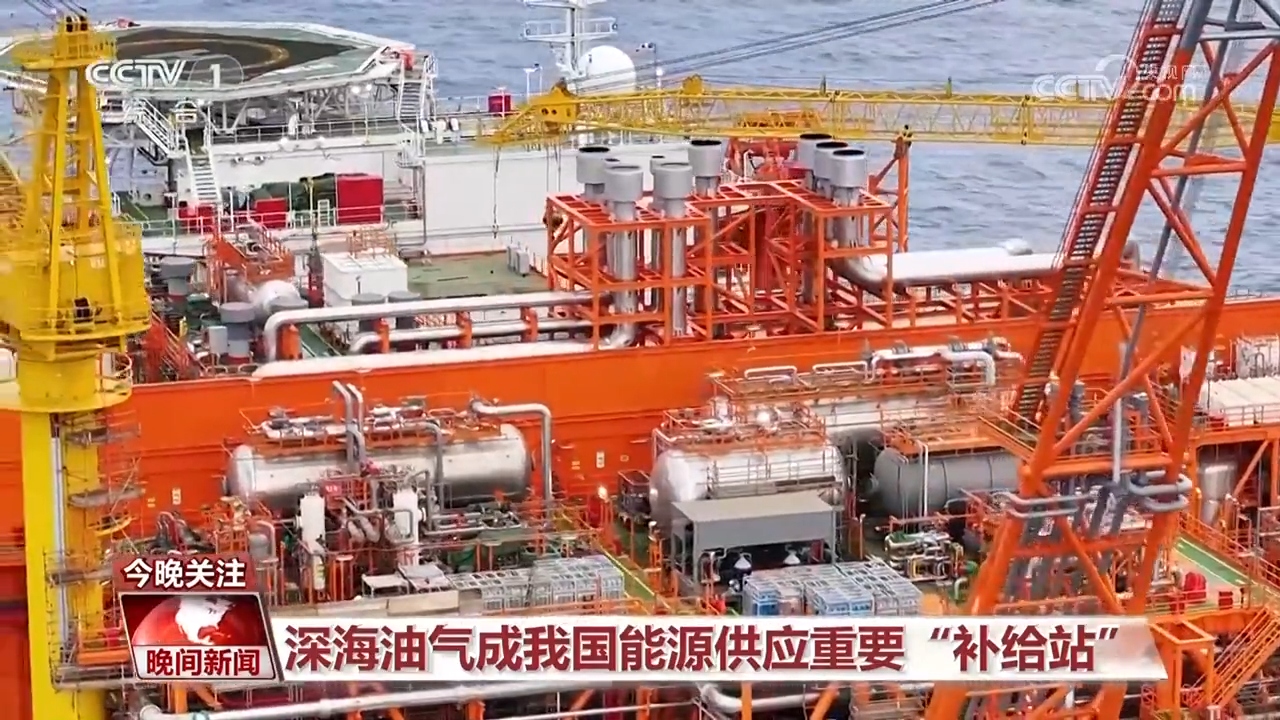
Over the past five years, CNOOC’s domestic crude oil production has surged to 58.61 million tons, with onshore and offshore output combined increasing by more than 16 million tons—accounting for over 70% of the nation’s total crude oil growth. Meanwhile, deep-sea oil and gas resources have become a vital "supply hub" supporting China’s energy needs. Behind these remarkable breakthroughs lies the ever-more robust development of China’s deep-sea exploration and production equipment.
From the Bohai Sea to the South China Sea, marine "new equipment" makes a collective debut.
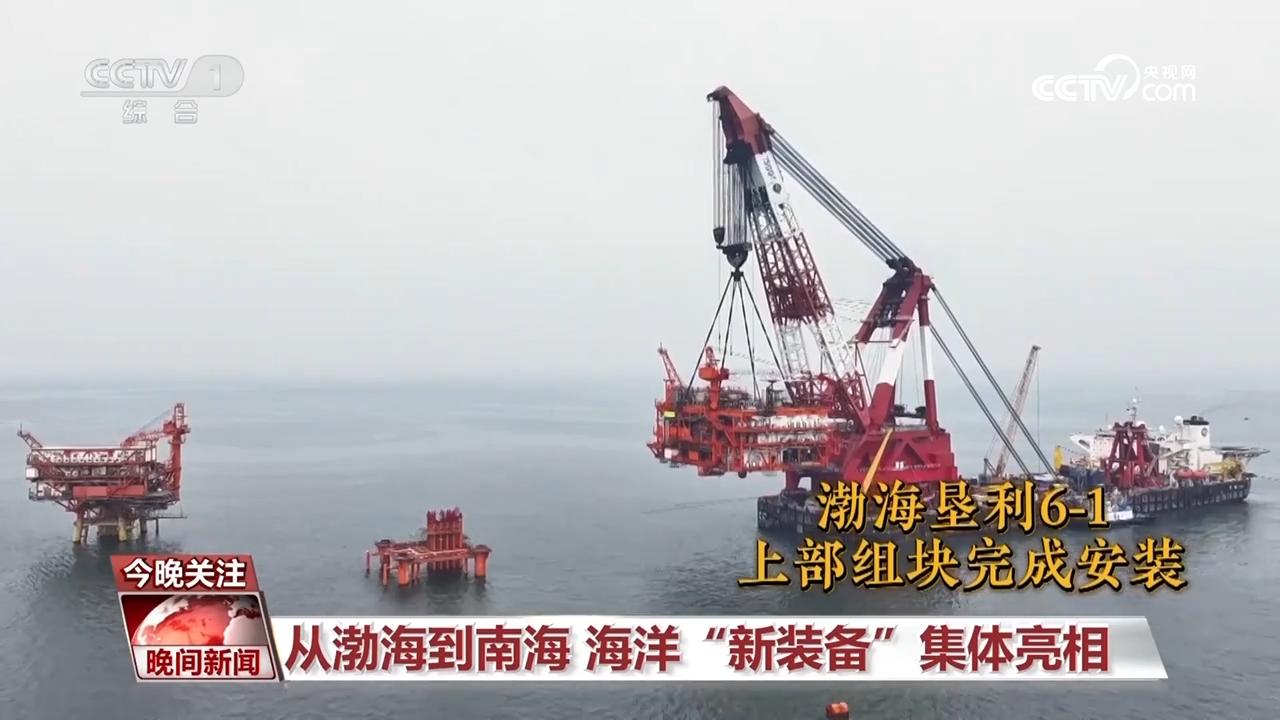
On the Bohai Sea, the upper modules of the 100-million-ton-class Kengli 6-1 oilfield have been successfully installed, making this the development project with the largest number of intelligent, unmanned wellhead platforms in China's offshore operations.
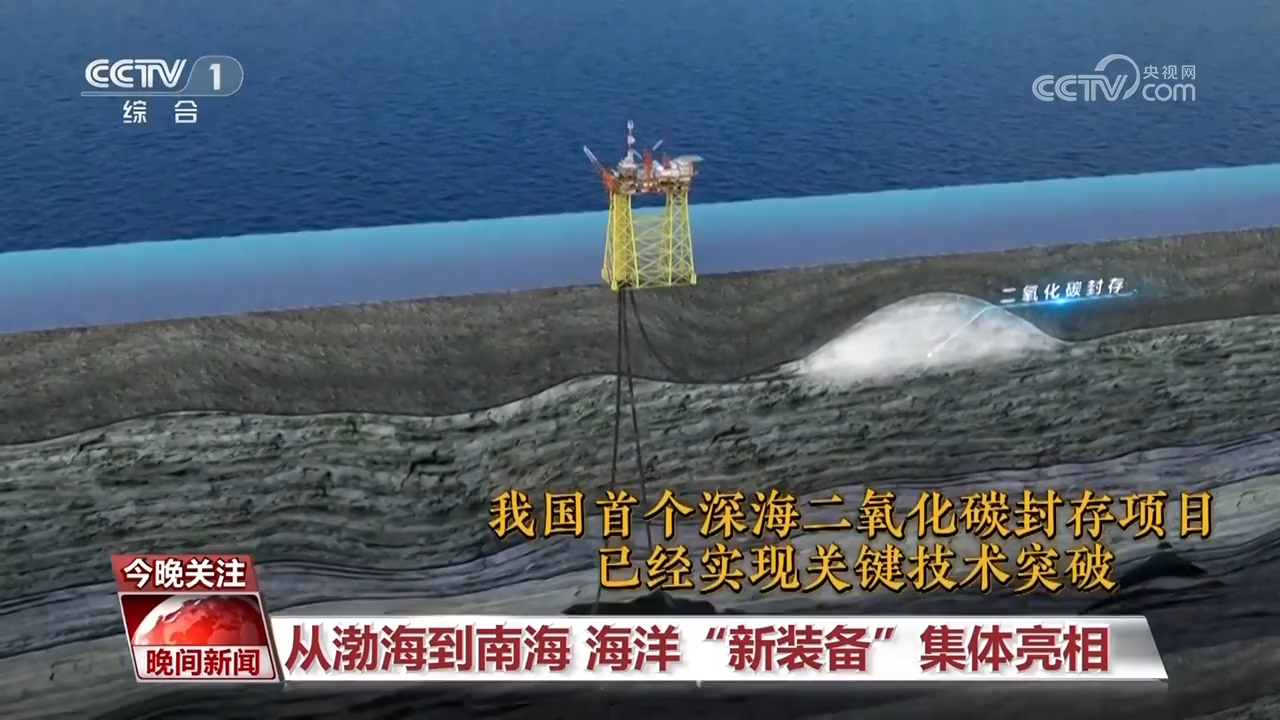
In the Pearl River Mouth Basin, China's first deep-sea carbon dioxide storage project has achieved breakthroughs in key technologies, providing a new pathway toward the country's carbon reduction goals.
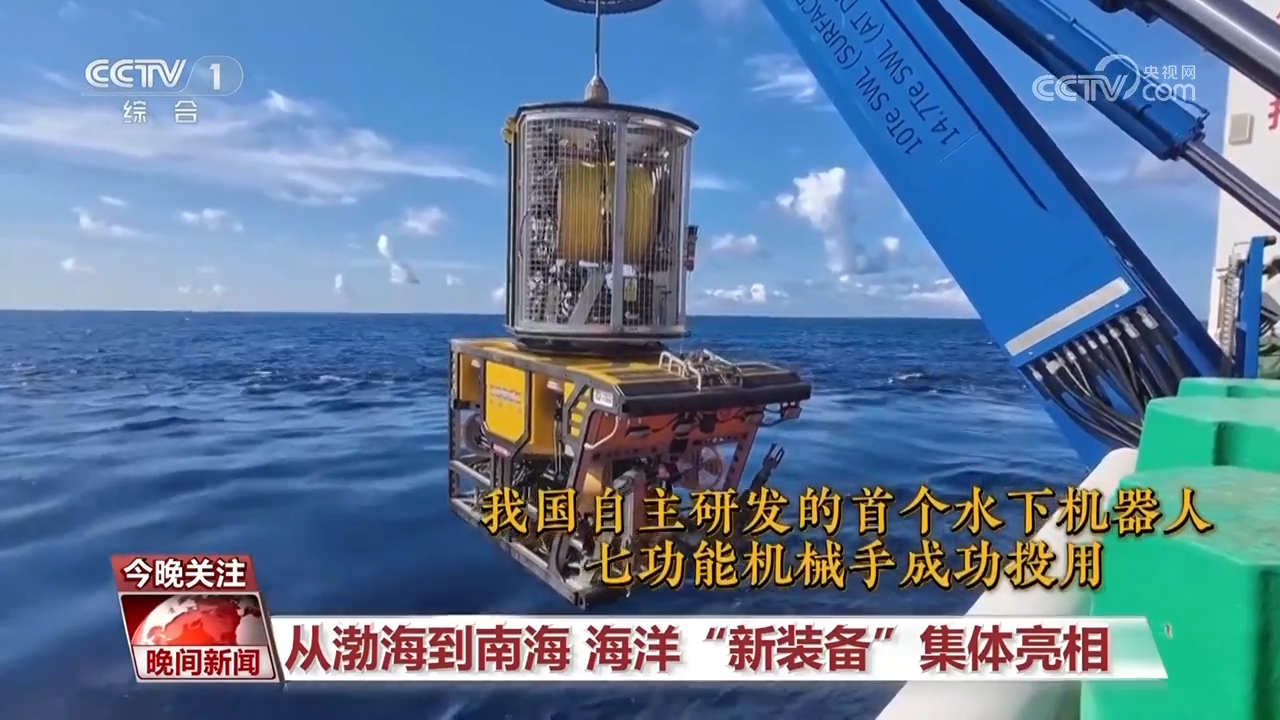
In the Beibu Gulf waters, China's first domestically developed underwater robot—equipped with a seven-function mechanical arm—has been successfully deployed, providing critical technological support for intelligent deep-sea operations.
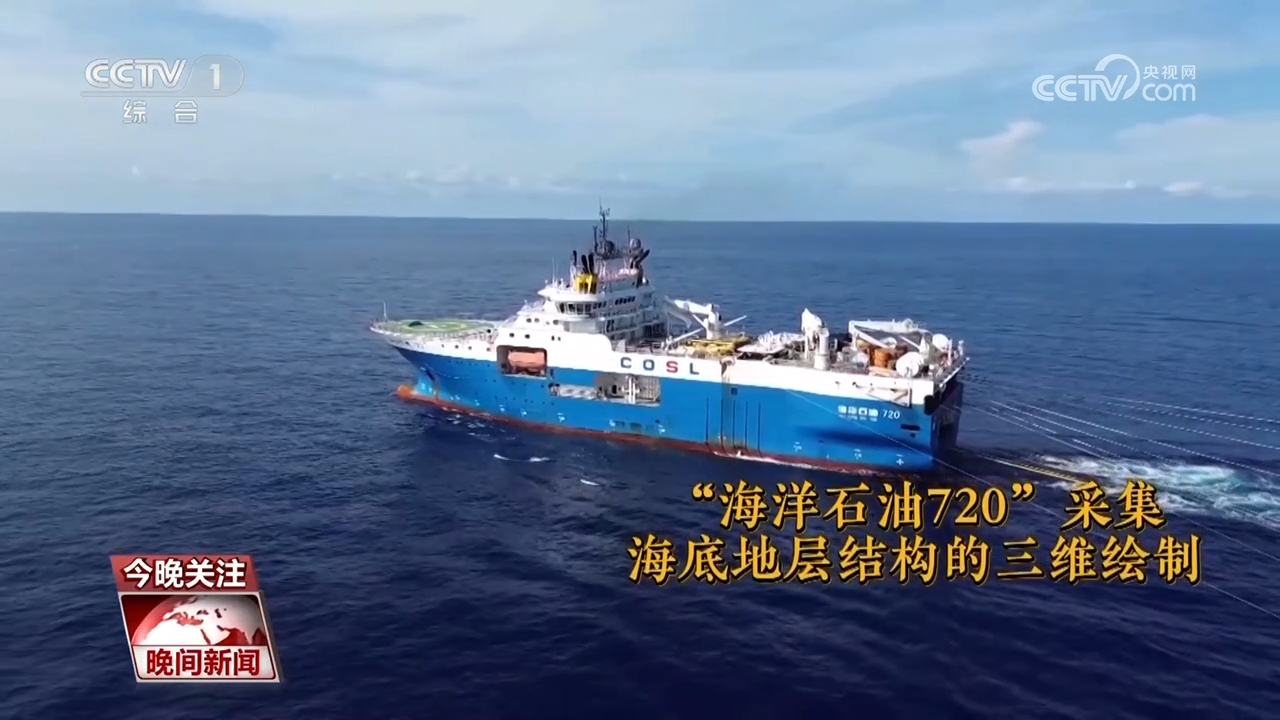
In the waters off Hainan, China's independently built Asia's first large-scale deepwater geophysical survey vessel— the "Ocean Oil 720"—is continuously conducting three-dimensional mapping of seabed geological structures. The deep sea of the future is not just a "resource repository"; it is also a "new frontier" for technological breakthroughs and green development.
Listen! A sound from 10,000 meters beneath the ground
Have you ever heard sounds from deep beneath the Earth—over 10,000 meters underground? These are seismic waveforms captured by scientists, transformed into frequencies that humans can actually hear. Today, China’s drilling rigs have already advanced to depths exceeding 10,000 meters below the surface. But what exactly does it look like down there—more than 10,000 meters underground? Let’s go take a look together.
Look! It looks like ten thousand meters underground.
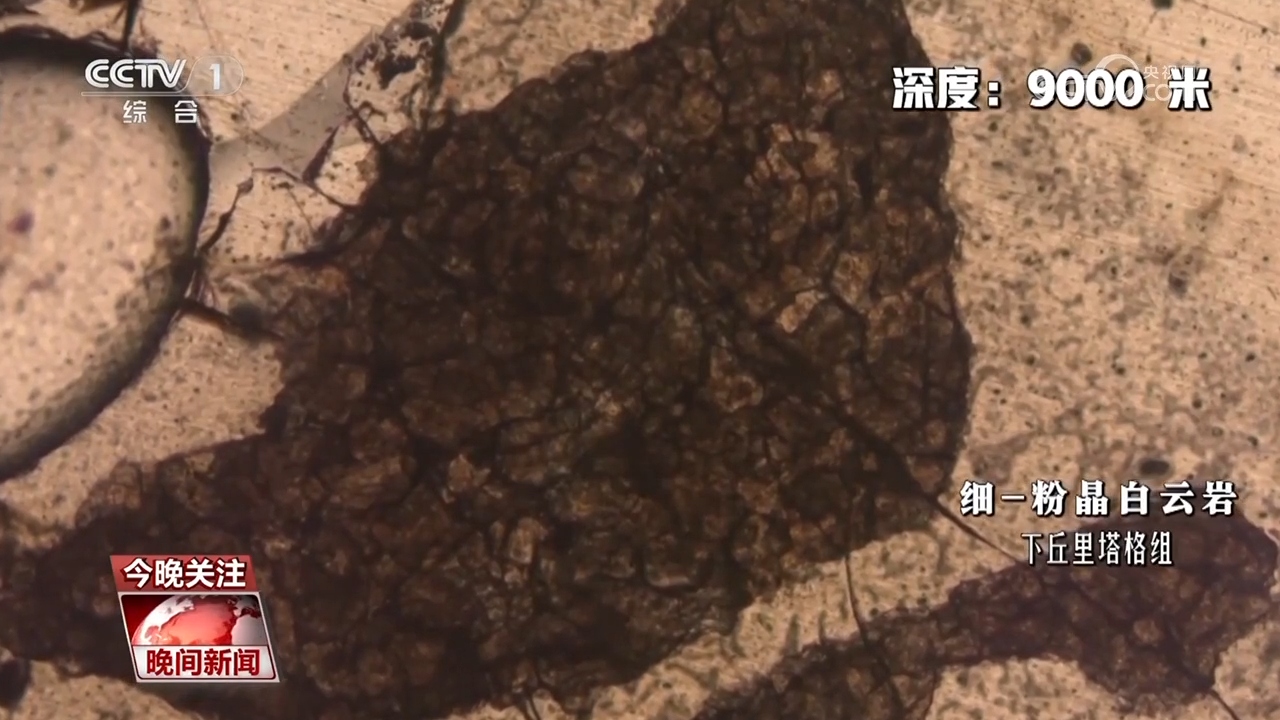
Experience firsthand the "power from Earth's core" of a nation's critical equipment at the deep-earth site.
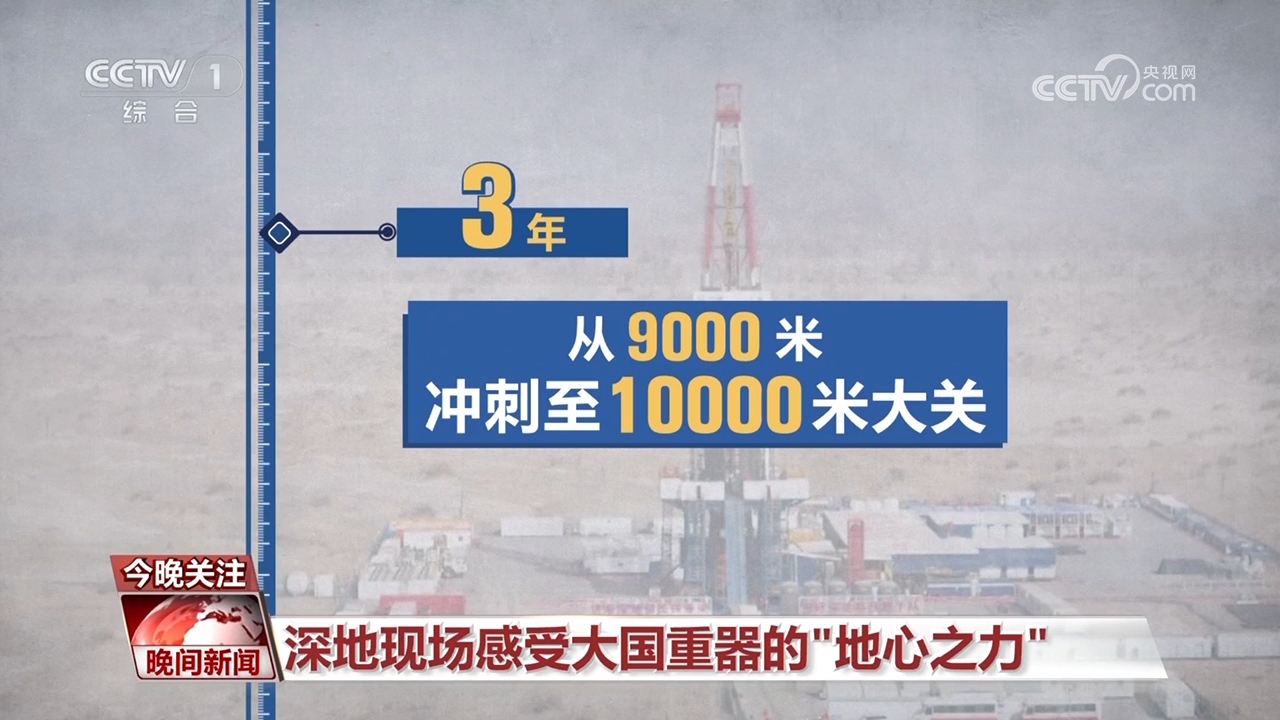
To capture these images of rocks from 10,000 meters beneath the Earth, we relied on China's three independently developed cutting-edge tools for deep-earth exploration: drill bits, drilling rigs, and guidance systems. Over the past five years, the application of these new technologies has steadily accelerated China's deep-earth drilling timeline. It took us 29 years to advance from 7,000 meters underground to 8,000 meters; another 15 years to push from 8,000 meters to 9,000 meters; and just 3 years to surge from 9,000 meters all the way to the monumental milestone of 10,000 meters.
Deep Earth Well Tako-1: Combining Breakthroughs with Risks—Successfully Drilled to 10,910 Meters Below Ground
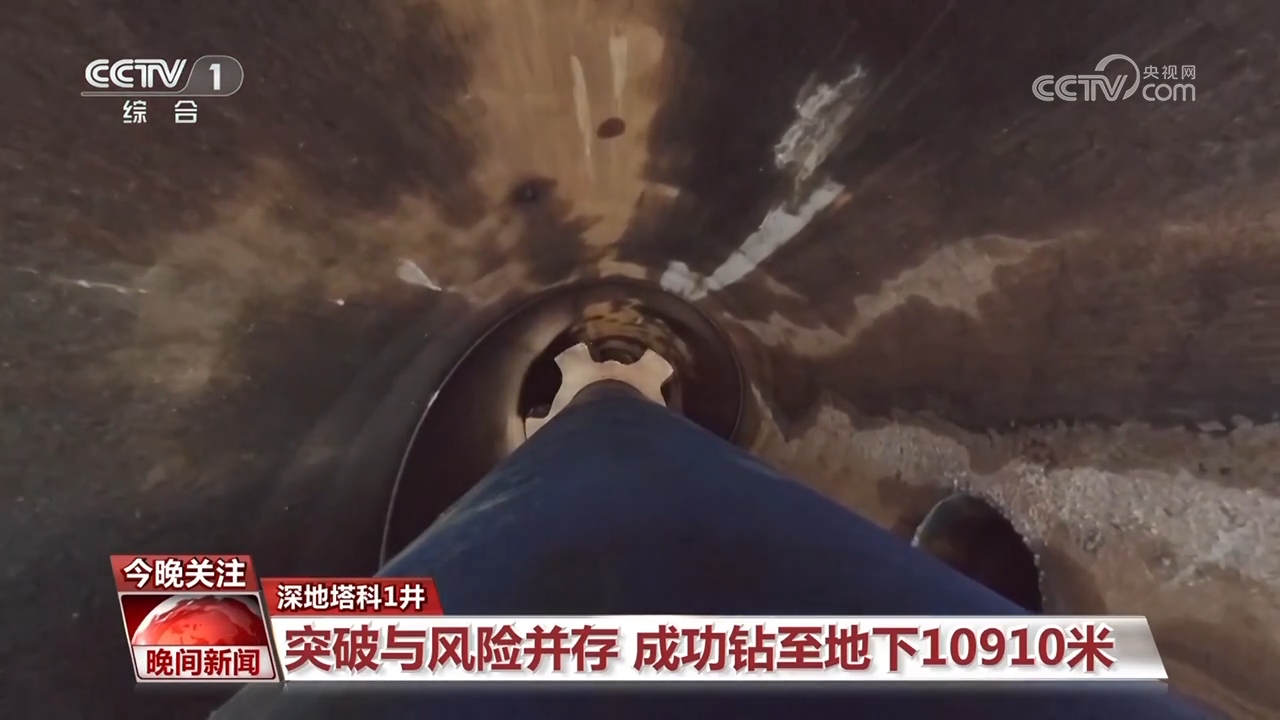
Breakthroughs often come hand in hand with risk. When the deep-earth Taiko-1 well began drilling from the surface, it advanced steadily and rapidly, easily surpassing the 10,000-meter mark in just 279 days. Yet, as it charged toward the final nearly 1 kilometer—just below the 10,000-meter milestone—it ended up taking over 300 more days to complete the journey.
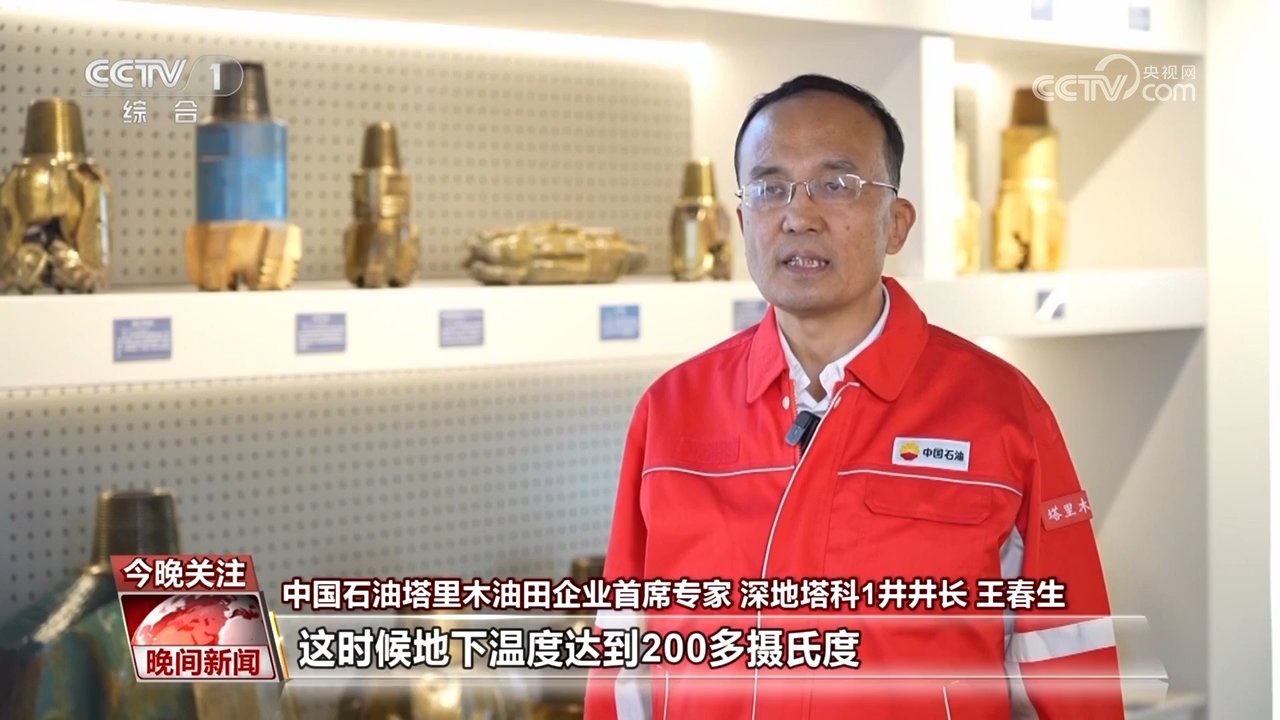
Wang Chunsheng, Chief Expert of China National Petroleum Tarim Oilfield Company and Well Supervisor of the Deep-Well Tako-1: As we approached nearly 10,000 meters, the underground temperature soared to over 200 degrees Celsius, and the changes in geological rock types remained completely unknown to us. What kind of hazards might these changes bring? To us, this remains an uncharted territory.
When the drill was just 23 meters away from reaching 10,000 meters underground, a sudden stuck pipe incident occurred. If not handled carefully, the over 8,000-meter-long drill string could be permanently "buried" in the ground, rendering all previous efforts futile.
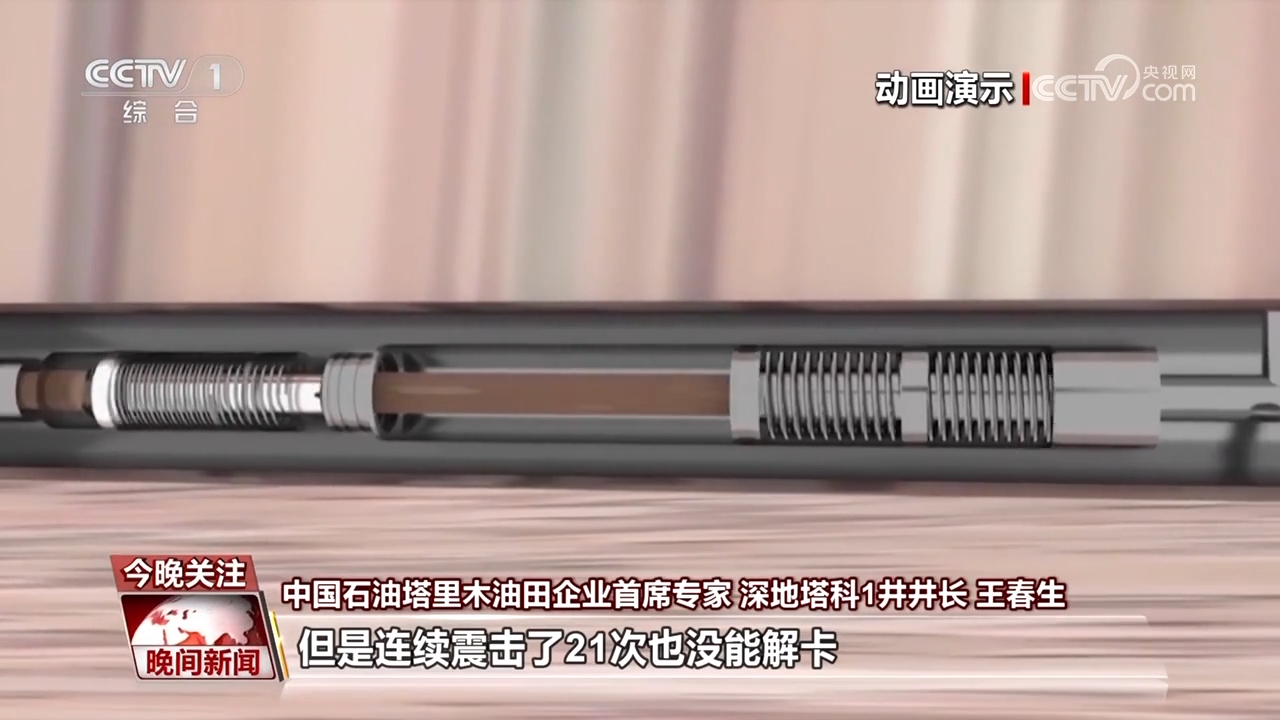
Wang Chunsheng: At the time, we lowered a downhole shock tool into the drill string assembly, but despite 21 consecutive shocks, we still couldn’t free the stuck pipe. Finally, we readjusted the parameters and continued with another 39 shocks—only then were we able to break free the stuck pipe, albeit with great difficulty.
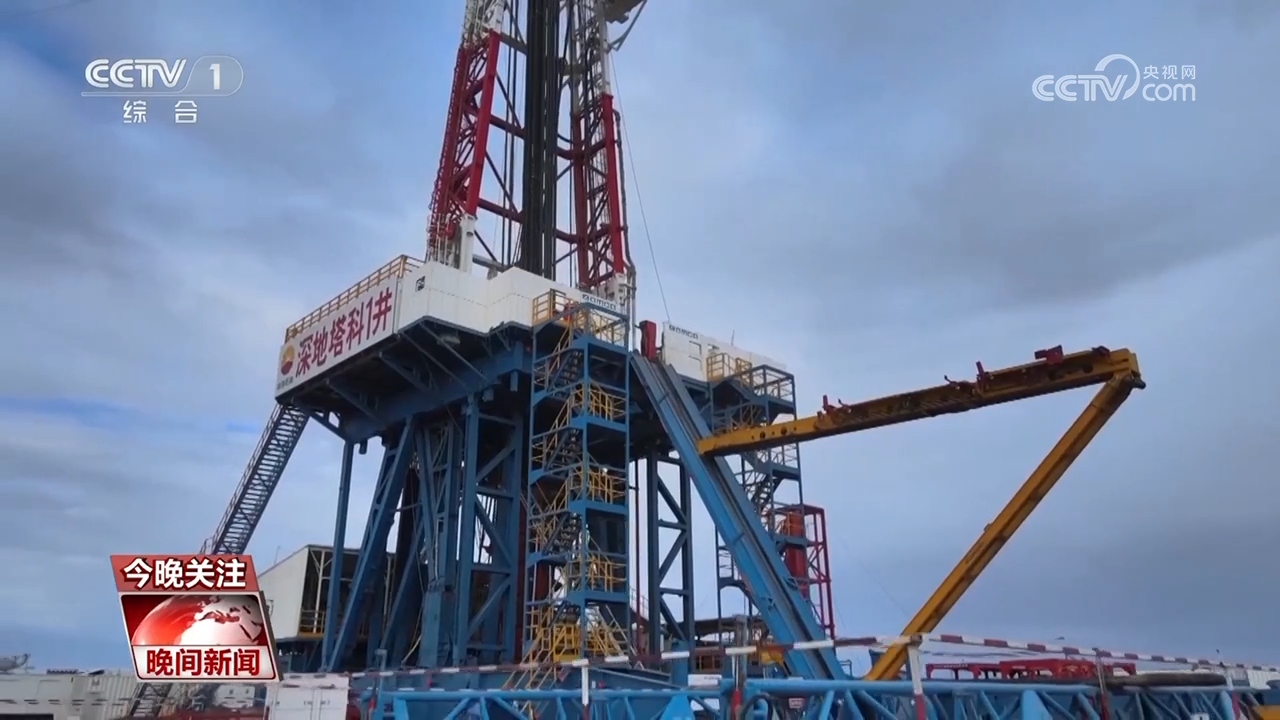
Finally, the Shendi Taiko-1 well reached a historic milestone earlier this year—successfully drilling down to 10,910 meters underground! For the first time, traces of oil and gas were discovered at depths exceeding 10,000 meters.
Wang Chunsheng: We are incredibly proud—this is a clear embodiment of our nation's scientific and technological advancement, showcasing our capability to locate oil and gas resources at depths of up to 10,000 meters.
During the 14th Five-Year Plan period, China’s Chang'e lunar exploration program achieved a historic leap—from sampling from the near side of the Moon to collecting samples from its far side. It also broke through key technologies such as retrograde orbit design and intelligent sampling on the far side, while adopting an open approach to carry scientific payloads from multiple countries, thereby contributing significantly to humanity’s growing knowledge base about the Moon.
"The 14th Five-Year Plan" Sees China Unlocking More Lunar Mysteries through Lunar Exploration
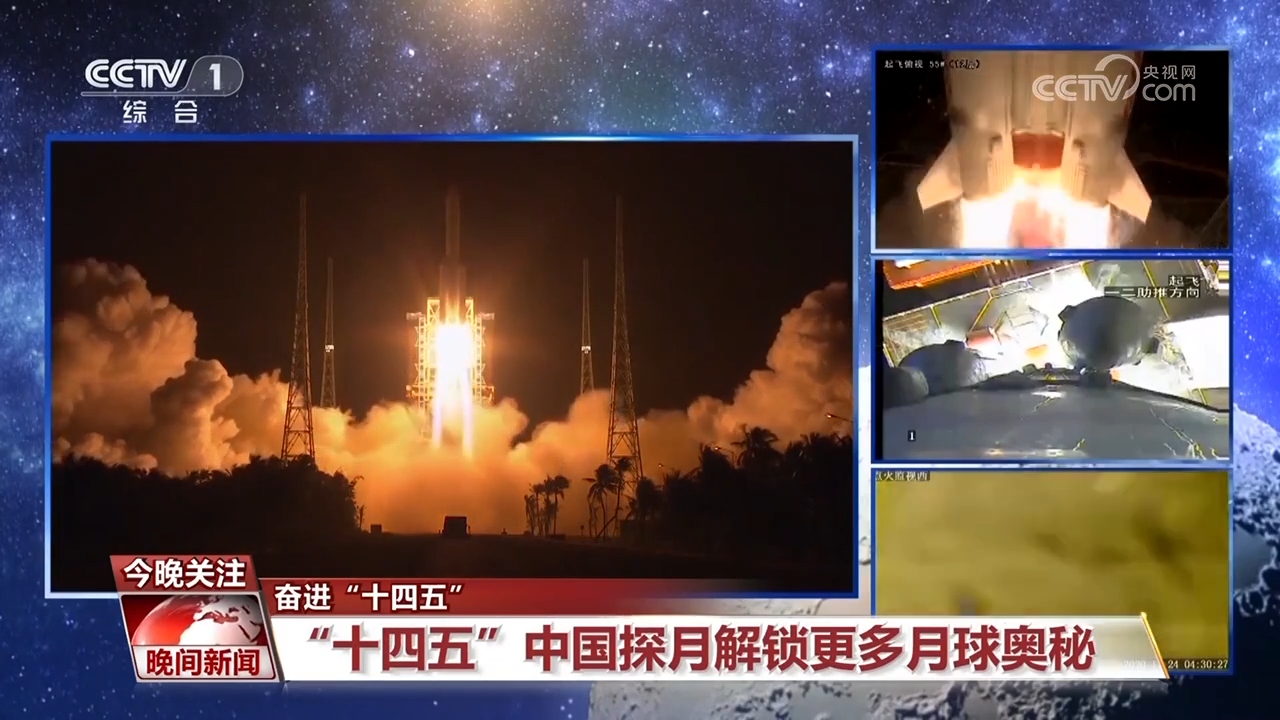
On November 24, 2020, Chang'e-5 was successfully launched toward the Moon. After a 23-day space expedition, it returned to Earth carrying 1,731 grams of lunar samples, marking the successful completion of China's first-ever lunar sample-return mission and perfectly concluding the "orbit, land, and return" three-step plan of China's Lunar Exploration Program.
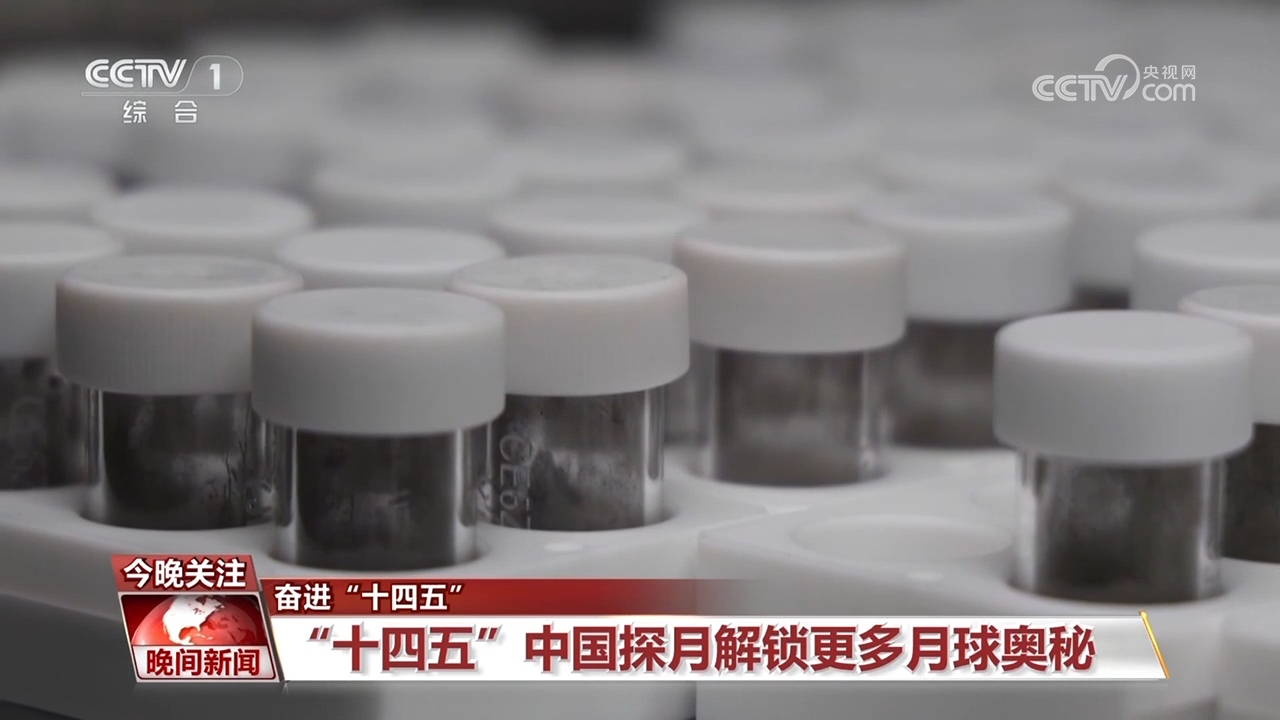
On May 3, 2024, Chang'e-6 was launched from China's Wenchang Space Launch Center. After a 53-day journey through space, it safely returned to Earth carrying 1,935.3 grams of samples collected from the far side of the Moon, marking the world's first successful mission to retrieve lunar material from the Moon's hidden face. Meanwhile, groundbreaking research conducted during the mission revealed that the South Pole-Aitken Basin formed as early as 4.25 billion years ago.
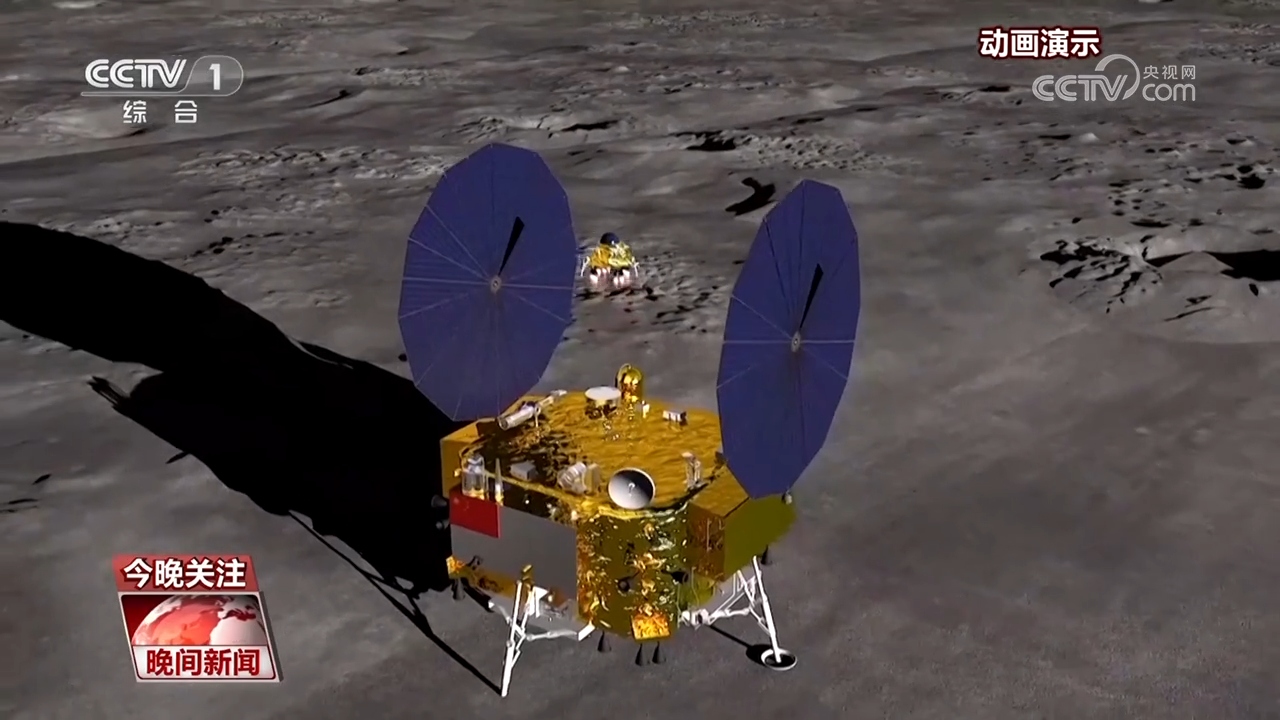
Currently, China's fourth phase of the Lunar Exploration Program is underway. Next year, Chang'e-7 will embark on its mission to the Moon's South Pole, searching for evidence of water ice. Chang'e-8, scheduled for launch around 2029, will work alongside Chang'e-7 to carry out scientific exploration and conduct validation tests for resource utilization and development—laying the groundwork for the construction of an international lunar research station.
Related News


